
The Ginger Plant: Botanical Profile and Research Overview
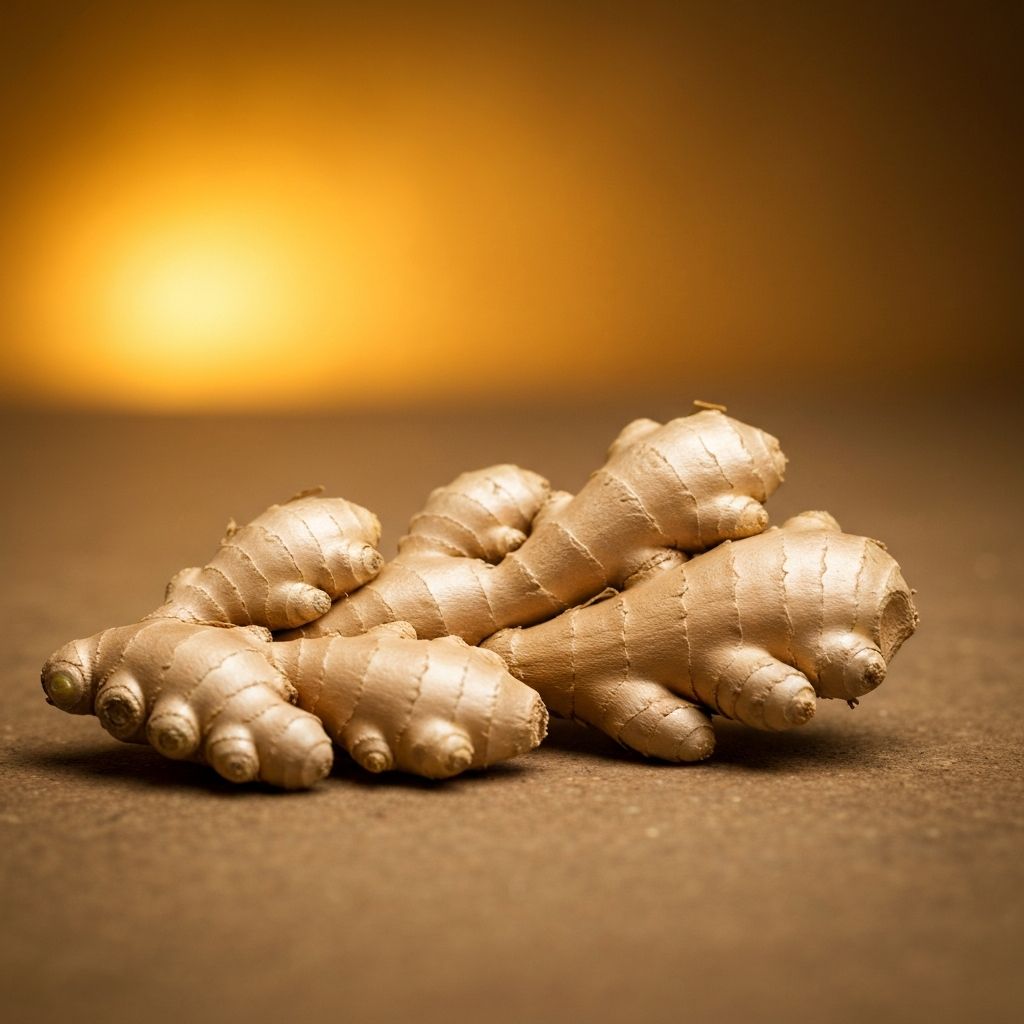
Introduction to Ginger
Ginger, scientifically known as Zingiber officinale, is a perennial herb native to Southeast Asia. Like turmeric, ginger grows from a rhizome and belongs to the Zingiberaceae family. The plant has been used in culinary and traditional medicine practices for thousands of years, particularly in Asian cultures where it remains a staple both as a spice and as a component of traditional remedies.
Botanical Characteristics
The ginger plant produces tall stems with elongated leaves and produces small, purple or pink flowers. However, it is the underground rhizome that is most utilized. The rhizome develops a characteristic fibrous texture and develops increasingly concentrated compounds as it matures. Young ginger has a milder, more delicate flavor, while mature ginger is more pungent and fibrous.
Active Constituents
Ginger contains numerous bioactive compounds that contribute to its properties:
- Gingerols: Pungent compounds that are abundant in fresh ginger, known for their warming properties
- Shogaols: Compounds formed when ginger is dried or heated, potentially more bioactive than gingerols in certain contexts
- Zingerone: Formed through further heating or processing, contributing distinctive flavor
- Volatile oils: Including zingiberene and β-sesquiphellandrene
- Polysaccharides: Complex carbohydrates with potential immunological properties
Traditional Applications
Ginger has held a prominent place in traditional medicine systems for millennia. In Ayurvedic medicine, ginger is valued for its warming properties and is incorporated into various preparations. Traditional Chinese Medicine similarly integrates ginger into formulations, with dried ginger (called "gan jiang") and fresh ginger ("sheng jiang") used in different contexts. In Japanese cuisine, ginger is valued both for flavor and traditional wellness applications.
Mechanisms of Action
Contemporary research has investigated how ginger's compounds interact with biological systems:
- Modulation of cellular signaling: Gingerols and shogaols appear to influence various cellular communication pathways
- Enzymatic activity: Research suggests interactions with digestive enzymes and other biological catalysts
- Antioxidant properties: The compounds demonstrate capacity to neutralize reactive oxygen species
- Thermal properties: Ginger's warming nature is related to its physiological effects on circulation and metabolism
Contemporary Research
Scientific investigations into ginger have increased substantially over the past two decades. Research has examined various preparation methods, extraction techniques, bioavailability, and potential applications. Studies have demonstrated that the specific compounds present vary significantly depending on whether ginger is fresh, dried, or processed.
Important research considerations include the recognition that human responses to ginger vary based on individual constitution, health status, concurrent medications, and dietary patterns. Evidence suggests that ginger's effects may be dose-dependent and influenced by various lifestyle factors.
Practical Uses and Preparations
Ginger is available in multiple forms: fresh rhizome, dried powder, candied preparations, teas, extracts, and supplements. Traditional preparations include ginger tea (prepared by simmering fresh or dried ginger in water), incorporation into culinary dishes, and preparation as a paste or decoction. The versatility of ginger has made it accessible and practical for integration into daily life across many cultures.
Important Context
This article provides educational information about ginger and its bioactive compounds. This is not medical advice. Individual responses to ginger preparations vary significantly based on numerous factors. If ginger is part of your wellness approach, consult with a healthcare professional regarding your specific situation, potential interactions with medications, and appropriate use patterns.
Not a medicinal product. Consult a doctor before use.